

The short answer
KAIWEI intelligent foam sealing machines enable automated foam dispensing with high protection ratings, accurate and rapid application, and consistent, attractive bead quality, replacing manual labor with machinery to effectively reduce production
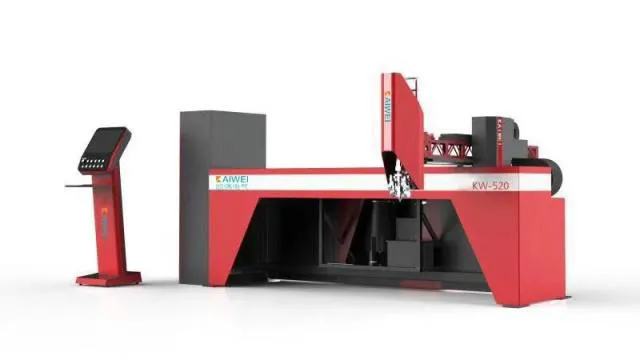
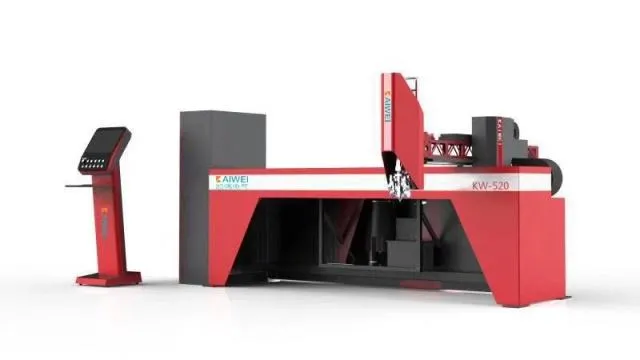
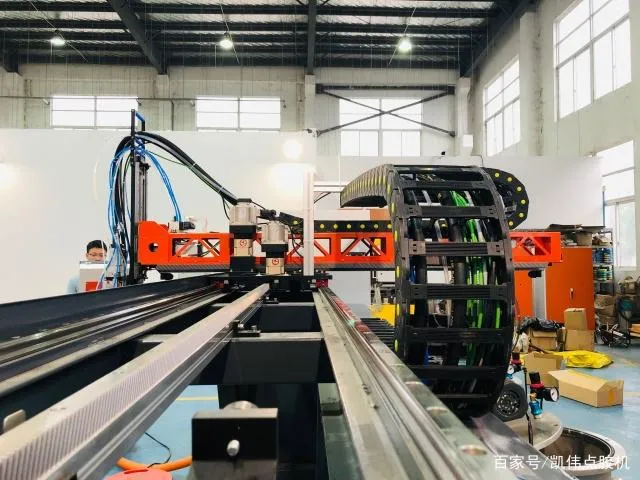
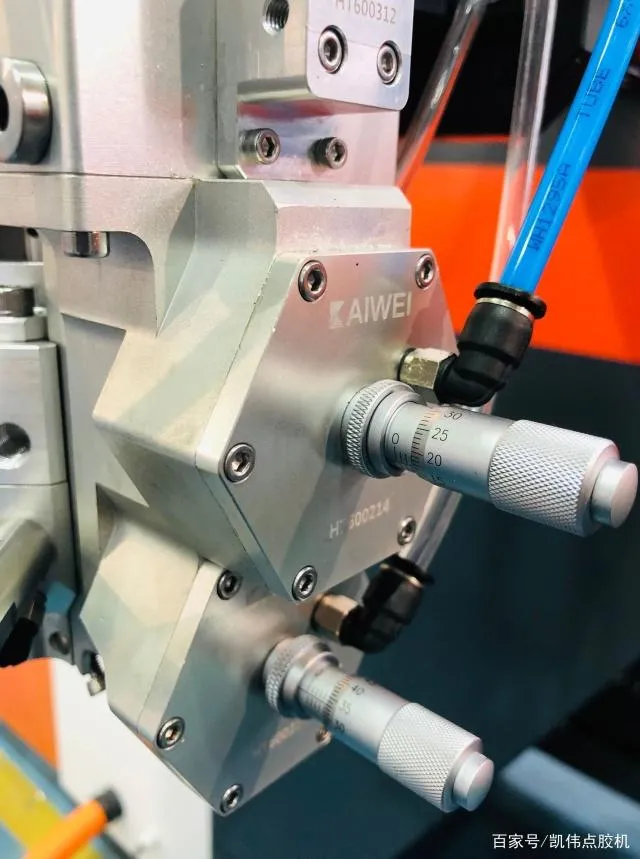
KAIWEI intelligent foam sealing machines enable automated foam dispensing with high protection ratings, accurate and rapid application, and consistent, attractive bead quality. By replacing manual labor with machinery, they effectively reduce production and labor costs to achieve lean manufacturing. However, occasional sealing defects may occur during operation. Below are common troubleshooting issues and solutions provided by KAIWEI technical engineers:
Issue 1: Oil pressure fails to rise when the oil pump is turned on.
Solutions:
1. Check whether the oil cylinder on the gun head or other oil lines are leaking → Replace cylinder O-rings or piston seals, and tighten pipe fittings.
2. Check whether the overflow valve is clogged with debris → Clean the overflow valve.
3. Check whether the oil pump is severely worn → Replace the oil pump.
4. Check whether the relief valve is leaking → Replace the relief valve.
Issue 1: Oil pressure fails to rise when the oil pump is turned on.
Solutions:
1. Check whether the oil cylinder on the gun head or other oil lines are leaking → Replace cylinder O-rings or piston seals, and tighten pipe fittings.
2. Check whether the overflow valve is clogged with debris → Clean the overflow valve.
3. Check whether the oil pump is severely worn → Replace the oil pump.
4. Check whether the relief valve is leaking → Replace the relief valve.
Issue 2: During normal operation of the intelligent foam sealing machine, the pressure-reducing valve above the air tank suddenly vents large amounts of air.
Solutions:
1. The pressure-reducing valve is faulty → Inspect and replace the pressure-reducing valve.
2. The slurry in the mixing drum is too thick, causing air pressure to exceed the valve setting → Shut down the machine and dilute the slurry.
Issue 3: During normal foaming machine operation, the discharged material suddenly becomes thicker or thinner and contains air bubbles.
Solutions:
1. Slurry level in the mixing drum is too low, causing the pump to draw in air → Stop the machine, reverse to purge trapped air, and refill the mixing drum.
2. Foaming liquid in the supply drum has run dry → Inspect and adjust/refill the foaming liquid.
3. Air pressure is too low → Check air lines for leaks and inspect the pressure-reducing valve for faults; repair or replace as needed.
4. Bushing is excessively worn → Replace with a new bushing.
Issue 4: Air circuit breaker or thermal relay trips in the electrical cabinet during operation.
Solutions:
1. Loose wiring connections on the motor or inside the electrical cabinet → Inspect and tighten all electrical terminals.
2. Slurry is too viscous, overloading the mixer → Dilute the slurry and press the “Red” reset button on the thermal relay.
3. Supply voltage is too low → Identify the cause and restore voltage to the specified value.
Issue 5: Flow rate of the automatic dispensing machine is too slow.
Solutions:
1. Upgrade the tubing from 1/4” to 3/8” and keep tubing runs as short as possible where unnecessary length can be avoided.
2. Adjust the dispensing nozzle orifice and air pressure to effectively increase flow rate.
Issue 6: Air bubbles present in the fluid.
Solutions:
Excessive fluid pressure combined with too short a valve opening time can introduce air into the liquid. Reduce fluid pressure and use a tapered angled dispensing needle.
Issue 7: Cleaning epoxy resin.
Solutions:
Whenever possible, automatically flush the system once every shift using standard toluene solvent from a pressurized storage tank—the more frequent the cleaning, the better.
Issue 8: Dripping from the automatic dispensing valve.
Solutions:
1. This commonly occurs after the dispensing valve closes. In 95% of cases, it is caused by using a needle with too small an inner diameter, which restricts liquid flow and creates backpressure, leading to dripping shortly after valve closure. An undersized needle also hinders air-bubble purging when starting the valve. Simply switching to a larger needle resolves this issue; tapered angled needles generate less backpressure and allow smoother fluid flow.
Inconsistent dispensing volume is primarily caused by unstable pressure in the fluid storage tank or compressed air supply.
The intake air pressure regulator should be set 10 to 15 psi lower than the plant's minimum line pressure. Operating pressure in the pressure tank should stay above the midpoint of the gauge range, avoiding the low-pressure zone. Valve actuation pressure should be at least 60 psi to ensure stable dispensing. Finally, check the dispensing time: durations shorter than 15/1000 second can cause instability, whereas longer dispensing times yield greater consistency.
Issue 9: Clogging of instant adhesive (cyanoacrylate) in valve fittings and tubing.
Solutions:
This is mainly caused by excessive moisture or reused instant adhesive. Always use fresh adhesive, flush the lines thoroughly with moisture-free acetone, ensure the compressed air supply is completely dry, and install an air filter between the plant air supply and the dispensing valve system.
Solutions:
1. The pressure-reducing valve is faulty → Inspect and replace the pressure-reducing valve.
2. The slurry in the mixing drum is too thick, causing air pressure to exceed the valve setting → Shut down the machine and dilute the slurry.
Issue 3: During normal foaming machine operation, the discharged material suddenly becomes thicker or thinner and contains air bubbles.
Solutions:
1. Slurry level in the mixing drum is too low, causing the pump to draw in air → Stop the machine, reverse to purge trapped air, and refill the mixing drum.
2. Foaming liquid in the supply drum has run dry → Inspect and adjust/refill the foaming liquid.
3. Air pressure is too low → Check air lines for leaks and inspect the pressure-reducing valve for faults; repair or replace as needed.
4. Bushing is excessively worn → Replace with a new bushing.
Issue 4: Air circuit breaker or thermal relay trips in the electrical cabinet during operation.
Solutions:
1. Loose wiring connections on the motor or inside the electrical cabinet → Inspect and tighten all electrical terminals.
2. Slurry is too viscous, overloading the mixer → Dilute the slurry and press the “Red” reset button on the thermal relay.
3. Supply voltage is too low → Identify the cause and restore voltage to the specified value.
Issue 5: Flow rate of the automatic dispensing machine is too slow.
Solutions:
1. Upgrade the tubing from 1/4” to 3/8” and keep tubing runs as short as possible where unnecessary length can be avoided.
2. Adjust the dispensing nozzle orifice and air pressure to effectively increase flow rate.
Issue 6: Air bubbles present in the fluid.
Solutions:
Excessive fluid pressure combined with too short a valve opening time can introduce air into the liquid. Reduce fluid pressure and use a tapered angled dispensing needle.
Issue 7: Cleaning epoxy resin.
Solutions:
Whenever possible, automatically flush the system once every shift using standard toluene solvent from a pressurized storage tank—the more frequent the cleaning, the better.
Issue 8: Dripping from the automatic dispensing valve.
Solutions:
1. This commonly occurs after the dispensing valve closes. In 95% of cases, it is caused by using a needle with too small an inner diameter, which restricts liquid flow and creates backpressure, leading to dripping shortly after valve closure. An undersized needle also hinders air-bubble purging when starting the valve. Simply switching to a larger needle resolves this issue; tapered angled needles generate less backpressure and allow smoother fluid flow.
Inconsistent dispensing volume is primarily caused by unstable pressure in the fluid storage tank or compressed air supply.
The intake air pressure regulator should be set 10 to 15 psi lower than the plant's minimum line pressure. Operating pressure in the pressure tank should stay above the midpoint of the gauge range, avoiding the low-pressure zone. Valve actuation pressure should be at least 60 psi to ensure stable dispensing. Finally, check the dispensing time: durations shorter than 15/1000 second can cause instability, whereas longer dispensing times yield greater consistency.
Issue 9: Clogging of instant adhesive (cyanoacrylate) in valve fittings and tubing.
Solutions:
This is mainly caused by excessive moisture or reused instant adhesive. Always use fresh adhesive, flush the lines thoroughly with moisture-free acetone, ensure the compressed air supply is completely dry, and install an air filter between the plant air supply and the dispensing valve system.
- Intelligent Sealing
- Foam Machine Maintenance
Scope of this article
Technical specifications, document scope and sealing performance require project-specific review and sample validation with KAIWEI engineering.
Equipment information Documentation scopeNext step
Discuss your part with KAIWEI
Share the drawing, material and target output for an application review.
Request an application review