Servo drive & metering
Servo-driven motion for precision metering and stable path control. Speed and ratio are configured per material and bead target.
Scan the QR code or add the ID to reach a senior engineer

WeChat ID: KAIWEI-GROUP
Scroll or pinch to zoom. Drag to pan.
Use this view to check the part before sending it for review: zoom into the marked sealing point on the left, compare the published process range, then tick what you can provide.
No language matches your search.
Share your workpiece and contact details to discuss equipment, materials and a suitable sealing process.
KAIWEI · Custom Lines
An integrated sealing and gluing line described by KAIWEI for automotive and industrial manufacturing — intelligent control, precision mixing, constant-temperature circulation and inspection modules in one system. Configuration and acceptance criteria are project-specific.
01 / Core advantages
Translated from KAIWEI's published custom-line description. Values below are process references — confirm every figure against current technical documents for the actual project.
Servo-driven motion for precision metering and stable path control. Speed and ratio are configured per material and bead target.
PLC and large touchscreen HMI with bilingual interface, pressure monitoring, alarms and production data traceability.
Temperature-controlled circulation around the published operating window to keep viscosity and bead quality consistent.
Automatic material checks, nozzle correction and stability-factor calculation to support path accuracy and first-article review.
Light curtains, status indication, solvent circulation cleaning and noise control as defined in the project specification.
Standard electrical interfaces and modular structure for maintenance, spare parts and future expansion.
02 / System modules
KAIWEI describes eleven-plus modules that can be integrated across a line. Exact selection depends on chemistry, workpiece, takt time and factory utilities.
Graphical PLC interface with operator prompts, dual pressure alarms and low-level warnings.
Servo multi-axis drive with adjustable speed for controlled two-component mixing.
Jacketed tanks with temperature control and metering for stable delivery.
Supply modules with stirring and filtration matched to the selected chemistry.
Full-line temperature coverage to reduce viscosity drift when ambient conditions change.
Controlled gas addition for foaming processes where the material route requires it.
Path and tip correction aids first-article accuracy on varying part thickness.
Optional plasma or related treatment for difficult substrates — confirmed per part.
Quality loop
KAIWEI publishes a closed-loop monitoring approach using sensors and control software. A stability index (CMK) is stated as a process reference — verify the method and result for the actual line and material.
Not a product certificate. A stability figure is a process reference, not a finished-product certification or a guarantee for every material.
03 / How a line is built
A repeatable review path keeps specification, sample evidence and acceptance criteria aligned. Timelines and sample policies are confirmed per project.
Drawing or sample, substrate, bead target, output and line interface.
Confirm process, head, motion and workbench options with an engineer.
Validate bead geometry, adhesion and cycle time on a representative part.
Lock module list, utilities, safety and acceptance tests in the technical file.
The Chinese catcase page presents advantages and system modules with icons, not product photographs — this EN page follows that media pattern.
04 / Sample parts
Images published by KAIWEI for automotive sealing categories. They illustrate part types and bead paths — not a guarantee for any specific material or finished product.
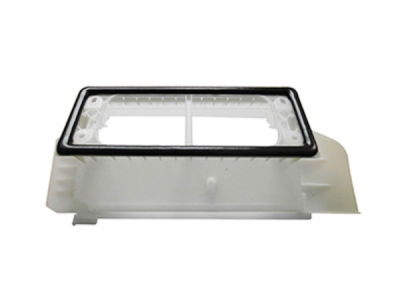
Foam bead along an automotive sealing path.
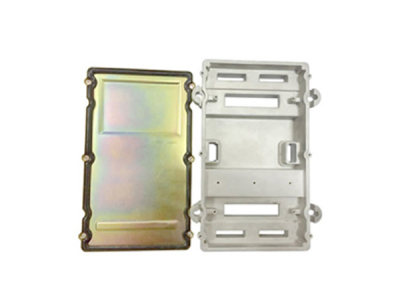
Adhesive path for structural bonding requirements.
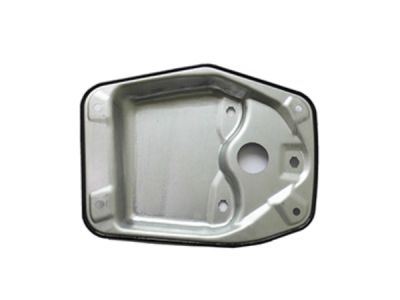
Path control for shaped panels and covers.
Bonding and sealing under temperature variation.
05 / Typical line scenarios
Equipment imagery and process notes published by KAIWEI. The actual line is configured around the workpiece, material and takt time.
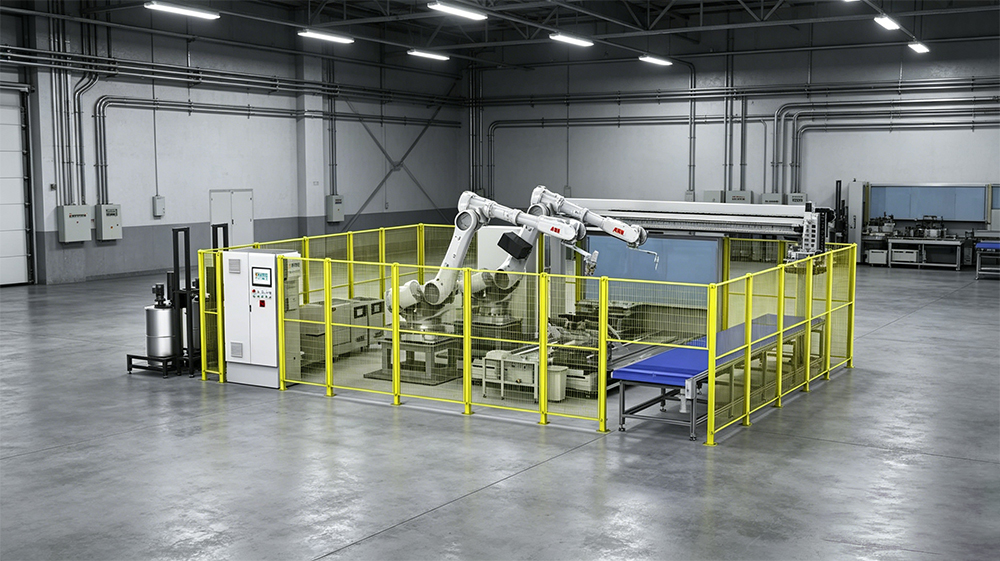
Six-axis robot with surface treatment and part recognition. Published for model-changeover production with real-time path tracking; confirm changeover capability per project.
Temperature-controlled circulation with quality monitoring, described for multi-variant, smaller-batch orders where appearance and bond strength matter.
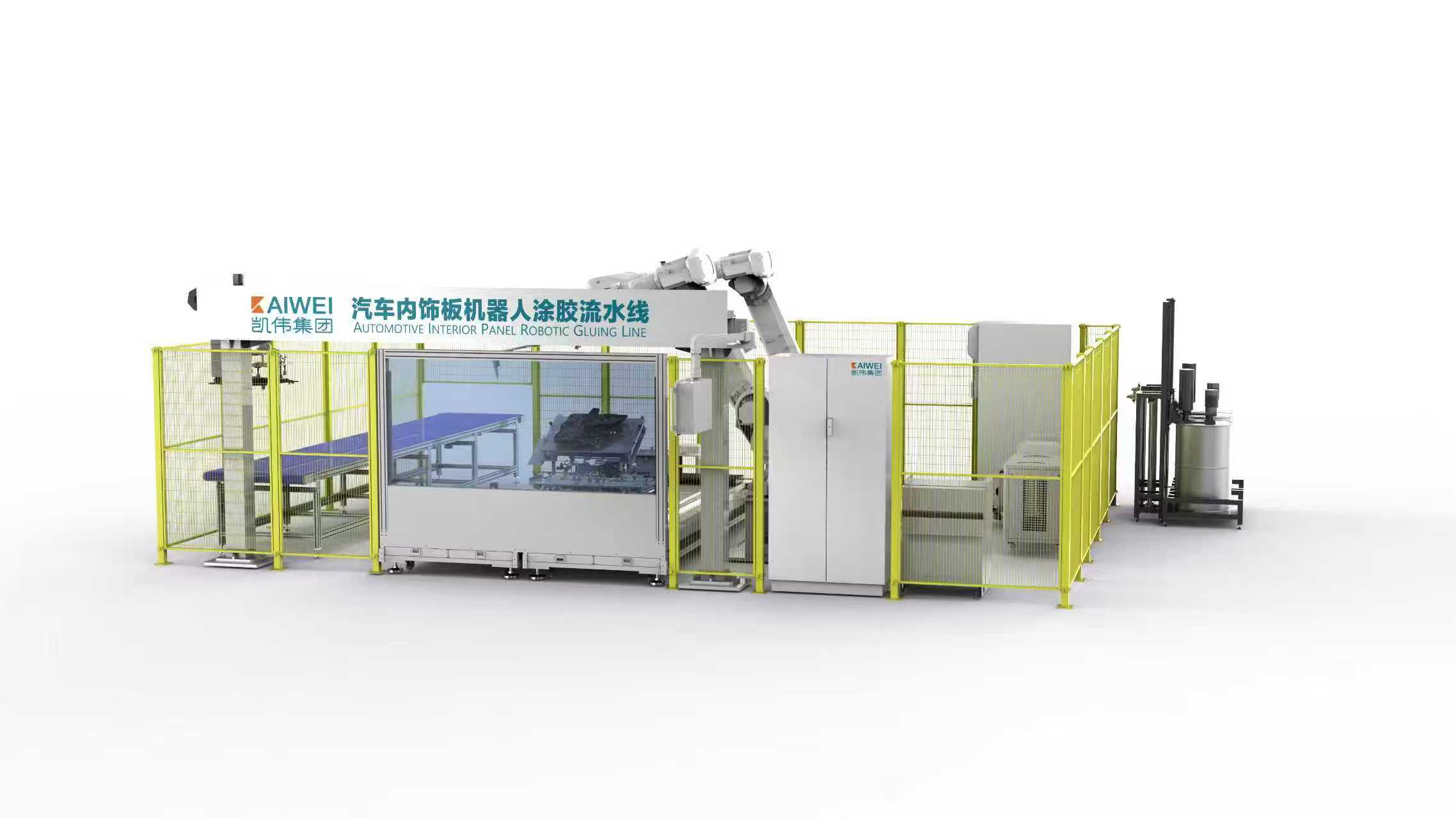
Precision servo and metering for sensors and lamp controllers. KAIWEI publishes a 0.01 g dispensing-control reference; verify against the actual material and part.
06 / Project questions
Honest scope notes for buyers reviewing a custom line. Final answers belong in the project proposal.
KAIWEI describes custom dispensing lines for automotive and related industrial applications. The exact scope — machines, handling, inspection and interfaces — is defined per project and confirmed in the technical proposal.
No. Values on this page are translated from KAIWEI's published description. Final specifications, stability figures and acceptance criteria require project-specific confirmation and sample validation.
Share part drawings or samples, material data, bead and bond targets, output and takt time, factory layout, utilities and the acceptance tests to be used.
It may, depending on part recognition, fixture strategy, recipe control and changeover requirements. These must be reviewed for the specific part mix.
KAIWEI operates from Shanghai headquarters (Qingpu) with production arrangements in Suzhou and additional capacity referenced in company materials. Visits and trials are arranged individually — this site does not invent overseas hubs.
Custom line inquiry
Send drawings or a sample brief. We will match process route, module options and the next review step — without inventing certificates or overseas branch claims.